Heavy vehicle inspection checklist: How to prepare your truck for inspection in Smithfield
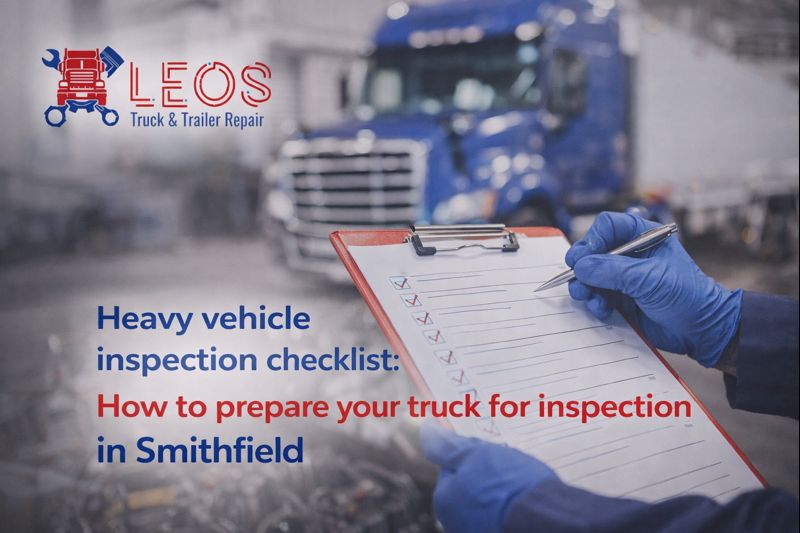
Heavy vehicle inspection checklist: How to prepare your truck for inspection in Smithfield
Heavy vehicles are the backbone of transport, logistics, and construction. Whether you operate a rigid truck, prime mover, trailer, or fleet, preparing your vehicle for an inspection is essential to keep it compliant, safe, and operational. In Smithfield—an industrial hub known for its busy warehouses and transport depots—authorised heavy vehicle inspections are not just a routine but a crucial requirement. Ensuring your truck passes the first time saves time, money, and unnecessary downtime.
This comprehensive guide explains everything you need to know about preparing an authorised heavy vehicle inspection in Smithfield, including a practical checklist, tips, and common areas that often cause failures.
Why Heavy Vehicle Inspections Matter
Heavy vehicle inspections are designed to ensure your truck meets safety, roadworthiness, and environmental standards. In areas like Smithfield, where commercial transport and heavy logistics are integral to everyday operations, maintaining a compliant vehicle is not only a legal requirement but also essential for maintaining smooth business operations.
Inspections also reduce risks by identifying issues before they become expensive breakdowns or safety hazards.
Complete Checklist for Preparing for Authorised Heavy Vehicle Inspections in Smithfield
Preparing your truck for an inspection begins long before you arrive at the authorised inspection station. Here’s how to get your vehicle ready and avoid costly failures.
1. Start with a Full Exterior Check
Before anything else, walk around your truck and look for visible issues. Small problems, such as loose components or cracked lights, can be enough to fail an inspection.
Checklist:
- Check headlights, indicators, brake lights, and clearance lights.
- Inspect tyres for tread depth, inflation, and visible damage.
- Verify that mudguards and mounting brackets are secure.
- Look for fluid leaks under the truck.
- Ensure mirrors are undamaged and properly adjusted.
- Check windshields for cracks or chips that affect visibility.
2. Inspect the Tyres and Wheels Thoroughly
Tyres are one of the most common failure points during heavy vehicle inspections. They must meet NSW road safety standards.
Ensure the following:
- Minimum tread depth of 1.5 mm.
- No exposed cords or deep cuts.
- Correct tyre matching across axles.
- All wheel nuts are tightened and secure.
- No structural cracks in rims.
Smithfield’s industrial roads can be demanding on tyres, so regular checks are essential to prevent premature wear.
3. Verify the Braking System
Your vehicle’s braking system is one of the most critical safety components.
Inspection points include:
- Adequate air pressure and no leaks in pneumatic systems.
- Brake pads and linings within service limits.
- Proper handbrake operation.
- Warning lights functioning correctly.
- ABS functionality (if applicable).
If your truck often operates in stop-start traffic around Smithfield’s industrial estates, your brakes may wear faster than expected, so inspect them thoroughly.
4. Assess the Engine and Drivetrain
Clean, efficient engine performance is necessary for passing emissions and operational checks.
Look for:
- Excessive exhaust smoke.
- Oil leaks around seals and gaskets.
- Secure belts, hoses, and wiring.
- Smooth acceleration with no unusual noises.
- Proper fluid levels (coolant, oil, brake fluid, power steering).
A pre-inspection service is often the best way to identify hidden issues.
5. Check the Suspension and Steering
Smithfield’s industrial areas often experience heavy vehicle traffic, making the integrity of steering and suspension even more crucial.
Checklist includes:
- No play in steering wheel.
- Ball joints and linkages in good condition.
- No worn or leaking shock absorbers.
- Correct ride height.
- Bushings and mounts intact.
Any looseness or instability will result in an instant failure.
6. Confirm the Electrical System is Fully Functional
A working electrical system ensures your vehicle is safe, visible, and compliant.
What to inspect:
Battery health and secure mounting.
Wiring insulation and connections.
Dashboard warning lights.
Reverse lights and beepers (if applicable).
7. Test the Exhaust and Emissions System
NSW regulations require heavy vehicles to meet emissions standards.
Ensure:
- Exhaust system is intact with no holes.
- Emissions are within allowable limits.
- No excessive smoke on start-up.
Failing emissions is common for older trucks; regular servicing helps prevent this.
Documentation Required for Heavy Vehicle Inspections
Bringing the right documents can save time and ensure a smooth inspection
Have these ready:
- Current registration papers
- Previous inspection reports
- Any defect notice clearance paperwork
- Proof of repairs or maintenance (if applicable)
Proper documentation demonstrates compliance and streamlines the process.
Common Reasons Trucks Fail Inspections
Knowing what typically causes failures helps you avoid repeating issues. Top failure points include:
- Tyres below legal tread depth
- Faulty brake components
- Broken or non-functional lights
- Fluid leaks
- Steering or suspension play
- Excessive exhaust emissions
- Cracked windscreens
- Addressing these beforehand ensures a smoother inspection experience.
Final Pre-Inspection Tips
Here are additional ways to improve your chances of passing on the first attempt:
- Clean your truck—inspectors must be able to see all components.
- Fix minor issues immediately—don’t wait for the day of inspection.
- Complete a pre-inspection with a mechanic—they often spot what you may miss.
- Arrive early to avoid delays and give your truck time to cool if overheated.
A Well-Prepared Truck Keeps Your Business Moving
Maintaining a roadworthy heavy vehicle is essential for smooth operations, safety, and compliance—especially in busy commercial zones like Smithfield, where many businesses rely on reliable transport.
Before your inspection, always use this checklist to ensure your truck meets NSW standards and passes without unnecessary repairs or downtime.
Before we wrap up, it’s worth highlighting a trusted local specialist that supports truck owners and fleet operators across the region. If you’re preparing for a heavy vehicle inspection or need professional support, Leo’s Truck Repair is an ideal choice for fast, dependable, and compliant services.
Trust Leo’s Truck & Trailer Repair for Heavy Vehicle Inspections
Leo’s Truck & Trailer Repair is a reputable workshop offering authorised heavy vehicle inspections in Smithfield, along with expert truck repair and maintenance services. Our experienced technicians provide reliable inspections, diagnostics, and repairs with quick turnaround times; helping you stay compliant and on the road.
From comprehensive pre-inspection checks to emergency breakdown service, Leo’s supports owner-operators and fleet managers in maintaining peak performance and compliance.
Book your heavy vehicle inspection with us today and keep your fleet on the road, ensuring your business stays moving.
Copyright © 2026 Leos Truck & Trailer Repair Pty. Ltd..