
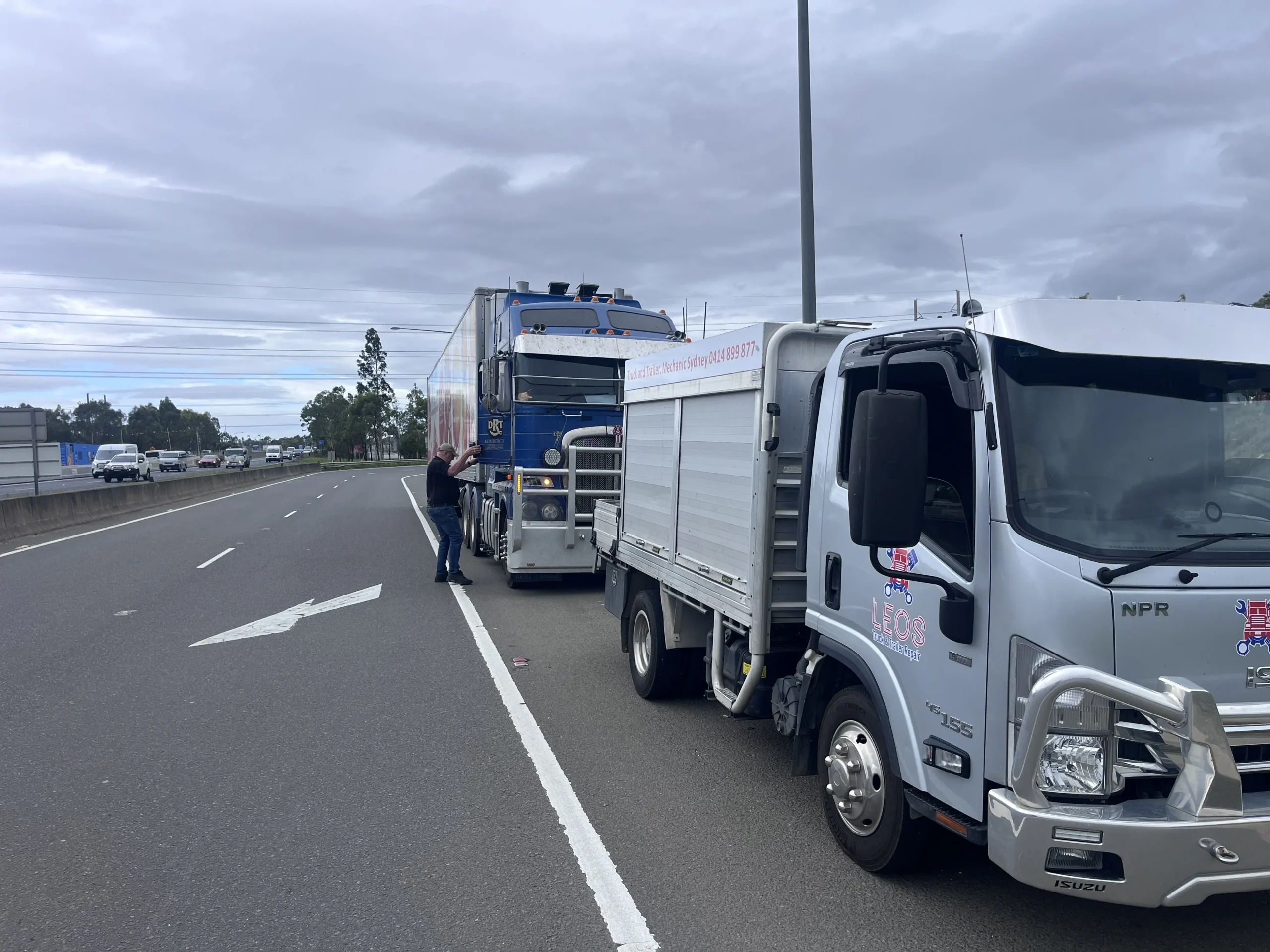
What Causes Differential Problems in Heavy Vehicles?

What Causes Differential Problems in Heavy Vehicles?

Heavy vehicle differentials are built to withstand significant loads, but constant stress, poor maintenance, contaminated lubricant, and harsh operating conditions can eventually lead to failure. Ignoring early warning signs often results in expensive driveline damage and unexpected downtime.

Whether you manage a fleet or operate a single truck, understanding what causes differential problems can help you prevent major repairs and keep your vehicle operating safely. This guide explains the common causes, symptoms, repair options, and preventive maintenance for heavy vehicle differential repairs.

What is a Heavy Vehicle Differential?

A differential is a crucial component of the drivetrain that allows the drive wheels to rotate at different speeds while transferring engine power to the axle.

When a truck turns, the outside wheel travels farther than the inside wheel. Without a properly functioning differential, tyres would drag, handling would suffer, and excessive stress would be placed on the drivetrain.

The differential works together with:

  • Transmission
  • Driveshaft
  • Axles
  • Wheel hubs
  • Bearings
  • Crown wheel and pinion gears

Because of this, engine transmission & differential repair services often involve inspecting multiple interconnected components.

Why is the Differential Important?

The differential helps heavy vehicles:

  • Deliver power efficiently
  • Improve cornering stability
  • Reduce tyre wear
  • Minimise drivetrain stress
  • Improve fuel efficiency
  • Support heavy loads safely

When it begins to fail, other drivetrain components can also become damaged.

What Leads to Major Damages in Heavy Vehicles?

Several factors contribute to differential damage. Some occur gradually through normal wear, while others happen suddenly due to overloading or poor maintenance.

Lack of Lubrication

Without sufficient lubrication:

  • Gears overheat
  • Metal surfaces wear rapidly
  • Bearings become damaged
  • Internal friction increases

Low lubricant levels are among the most common reasons for differential repairs.

Contaminated Differential Oil

Gear oil can become contaminated with:

  • Water
  • Dirt
  • Metal particles
  • Dust
  • Moisture

Contaminated lubricant loses its protective qualities, allowing internal parts to wear much faster. Routine oil inspections help identify contamination before severe damage occurs.

Excessive Heavy Loads

Repeated overloading places enormous stress on:

  • Crown wheels
  • Pinion gears
  • Bearings
  • Axle shafts

This constant strain accelerates wear throughout the differential assembly.

Poor Driving Habits

Aggressive driving also contributes to premature wear.

Examples include:

  • Harsh acceleration
  • Sudden braking
  • Fast cornering with heavy loads
  • Spinning drive wheels
  • Frequent off-road operation

Normal Wear and Tear

After hundreds of thousands of kilometres, components naturally experience:

  • Bearing wear
  • Gear wear
  • Seal deterioration
  • Increased gear backlash

Damaged Bearings

When bearings wear:

  • Gear alignment changes
  • Vibration develops
  • Noise increases
  • Gear teeth wear unevenly

Incorrect Gear Setup

Incorrect gear mesh causes:

  • Whining noises
  • Excessive heat
  • Premature gear wear
  • Reduced lifespan

Water Ingress

Water contamination:

  • Breaks down the lubricant
  • Causes corrosion
  • Damages bearings
  • Accelerates internal wear

Heavy Vehicle Differential Statistics

  • According to the Australian Bureau of Statistics (ABS), road freight transport continues to move the majority of Australia’s domestic freight, placing significant demands on heavy vehicle drivetrains and differentials.
  • The National Heavy Vehicle Regulator (NHVR) emphasises that proper maintenance of critical mechanical systems is essential for vehicle safety, compliance, and reducing the risk of roadside breakdowns.
  • Safe Work Australia notes that effective maintenance programs reduce mechanical failures that can contribute to workplace transport incidents.

Why Professional Differential Repairs are Crucial

Heavy vehicle differentials contain precision-machined components that require specialised tools and manufacturer specifications for accurate repair.

Professional technicians can:

  • Diagnose faults accurately
  • Set gear backlash correctly
  • Replace worn bearings
  • Inspect the complete drivetrain
  • Prevent repeat failures
  • Improve vehicle reliability

Attempting repairs without the correct equipment often results in further drivetrain damage.

Schedule Engine Transmission & Differential Repair at Leos Truck & Trailer Repairs

Differential problems in heavy vehicles usually develop from poor lubrication, contaminated oil, excessive loads, worn bearings, or normal component wear. Recognising the warning signs early and scheduling professional inspections can prevent costly breakdowns and extend the life of your entire drivetrain.

At Leo’s Truck Repair, we provide expert engine, transmission & differential repair, and heavy truck driveline repairs to keep your fleet operating safely and efficiently. From our workshop, we proudly support heavy vehicle operators across Smithfield, Wetherill Park, and Sydney, delivering reliable workmanship and practical repair solutions that minimise downtime. Contact us for your differential repair needs.

FAQs

What are the first signs of differential problems in a heavy truck?

Common early signs include whining or clunking noises, driveline vibration, oil leaks, difficulty cornering, and a burning smell from overheated gear oil. Prompt inspection helps prevent further drivetrain damage and more expensive repairs.

How often should a heavy truck differential be serviced?

Service intervals depend on the manufacturer’s recommendations, operating conditions, and vehicle workload. Trucks used for heavy hauling, construction, or off-road work generally require more frequent differential oil inspections and maintenance.

What causes differential oil to become contaminated?

Differential oil can become contaminated by water, dirt, dust, worn metal particles, or degraded lubricant. Damaged seals and harsh operating environments accelerate contamination, making regular oil inspections an important part of preventative maintenance.

How long do heavy truck differentials typically last?

A well-maintained heavy truck differential can often last several hundred thousand kilometres. Its lifespan depends on driving conditions, load weight, maintenance frequency, lubrication quality, and how quickly developing issues are repaired.